Boldeux: A Retro Font with Serious Visual Punch
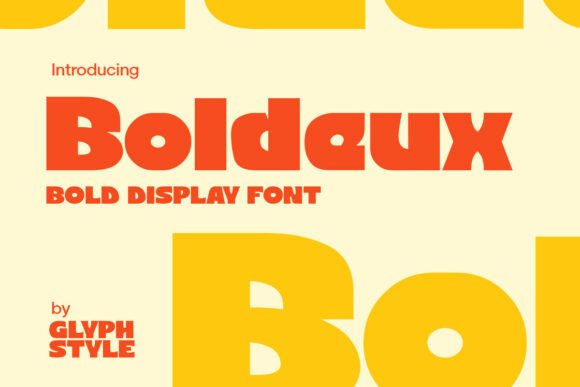
Ever scroll through your feed and stop dead in your tracks because a design just pops? That magnetic pull often comes down to one critical element: typography. If you're searching for a typeface that combines vintage charm with undeniable modern energy, Boldeux delivers exactly that. This bold display font channels a playful retro vibe through chunky, smooth letterforms and distinctive character cuts that command attention without shouting. Inspired by vintage pop graphics and funky street-style typography, it brings a cheerful, energetic personality to any project it touches.
Why This Typeface Feels Instantly Familiar Yet Fresh
Boldeux occupies a sweet spot in the design landscape. It draws from mid-century advertising aesthetics—the kind of bold, friendly typography you'd see on old soda labels and amusement park signage—but refines those shapes for contemporary use. The curves feel intentional rather than cartoonish. The weight gives it presence on screen and in print. Unlike some retro fonts that lean too heavily into nostalgia and risk looking dated, Boldeux maintains a crispness that works across digital and physical applications. It reads as confident, approachable, and unmistakably stylish.
What makes it particularly useful is its versatility as a display font. You wouldn't set a 500-word blog post in it, obviously, but for headlines, logos, product names, event titles, and social media graphics, it performs exceptionally well. The letter spacing and proportions were clearly designed with real-world usage in mind, not just aesthetic appeal on a specimen sheet.
Where Boldeux Truly Shines: Real Project Applications
Let's talk specifics, because a font is only as valuable as the problems it solves for you.
Brand identity and logo design are where Boldeux really comes alive. If you're building a brand that needs to feel energetic, youthful, or playful—think boutique food brands, lifestyle blogs, fitness studios, children's products, or creative agencies—this typeface sets the tone immediately. A logo set in Boldeux tells your audience you're approachable and fun before they read a single word of your mission statement. Pair it with a clean sans serif font for body copy and you've got a visual system that feels cohesive and professional.
Packaging design is another natural fit. Picture a craft beer label, a artisanal snack bag, or a cosmetics box. The chunky letterforms hold up beautifully at various sizes, and the retro personality gives products an instant sense of character on crowded shelves. Small business owners creating their own product labels will find it especially useful—you get that premium, designed-by-a-professional look without needing advanced typographic skills.
For social media graphics, Boldeux solves a persistent challenge: standing out in a scroll-heavy environment. Instagram stories, Pinterest pins, Facebook ads, YouTube thumbnails—these formats reward bold, readable typography. The font's strong visual impact means your message gets across even at small sizes or brief glance durations. Content creators and marketers can use it for quote graphics, sale announcements, event promotions, and campaign headers with consistently strong results.
Don't overlook print materials and merchandise either. Wedding invitations with a retro flair, event posters, business cards, tote bags, t-shirt designs, stickers—Boldeux adapts to all of these naturally. Its cheerful energy translates particularly well to items meant to be shared, gifted, or displayed.
Getting the Most from Your Typography Choices
Choosing the right font style is about more than personal taste. It's about alignment with your project goals and audience expectations. Before selecting any premium font, ask yourself a few practical questions:
- What emotion should this design communicate? Boldeux leans toward excitement, friendliness, and nostalgia. If your brand voice is serious, minimalist, or ultra-corporate, a different typeface might serve better.
- Where will this appear most often? A font that looks gorgeous on a poster might struggle on a mobile screen. Test your choices in the actual contexts where your audience will encounter them.
- What other fonts will accompany it? Font pairing matters enormously. Display fonts like Boldeux work best alongside simpler companions—a geometric sans serif, a neutral serif font, or even a subtle script font for accent text. Avoid pairing two bold display fonts together; they'll compete for attention.
Readability deserves special consideration. While Boldeux is designed for clarity at display sizes, resist the temptation to use it for long paragraphs or small body text. Let it do what it does best: grab attention at headlines and hero text sizes, then let a more neutral font handle the heavy reading. This division of labor actually strengthens your overall design by creating visual hierarchy.
Building a Consistent Visual Language
One of the most overlooked benefits of investing in a quality creative font is the consistency it brings to your brand. When you use the same typeface across your website headers, social media templates, email newsletters, packaging, and print collateral, you create a visual thread that ties everything together. Customers begin to recognize your brand's personality before they even process the content. That recognition compounds over time into real brand equity.
Boldeux makes this kind of consistency achievable because it works across so many contexts without feeling repetitive. A bakery could use it on their storefront signage, their Instagram stories, their cake box labels, and their holiday promotion flyers—and each application would feel fresh while remaining unmistakably on-brand.
For entrepreneurs and small business owners who wear multiple hats, this kind of design asset is invaluable. You're not buying a one-trick novelty. You're adding a versatile tool to your creative toolkit that will serve you across dozens of projects over months or years.
Practical Tips for Working with Display Typography
A few recommendations from the trenches of real design work:
- Check what's included. Before purchasing any commercial font, review the available styles. Does it include uppercase and lowercase? Numerals and punctuation? Alternates or ligatures? Knowing the full character set helps you plan more ambitious layouts.
- Understand the licensing. Commercial font licenses vary significantly. Some cover unlimited personal and commercial use. Others restrict usage to a specific number of projects, devices, or print runs. Read the terms carefully, especially if you're creating products for sale or client work.
- Test before committing to large projects. Set your actual headlines and key phrases in the font before finalizing. Some letter combinations can look awkward in certain typefaces. Seeing your real words—not just the alphabet—reveals whether a font truly fits.
- Consider your color and background. Bold fonts like Boldeux look fantastic in high-contrast color schemes. Think white text on dark backgrounds, or vibrant hues against neutral tones. The strong shapes can handle—and often benefit from—bold color choices.
- Don't be afraid to mix eras. Retro fonts pair surprisingly well with modern minimalist elements. A Boldeux headline over a clean, contemporary layout creates visual tension that feels intentional and sophisticated.
Final Thoughts on Making Bold Typographic Choices
Typography shapes perception in ways most people never consciously notice, but designers and brand builders understand its power intimately. A font like Boldeux isn't just decorative—it's communicative. It tells your audience something about who you are, what energy you bring, and what kind of experience they can expect from your brand or project.
Whether you're designing a logo for a new startup, creating social media templates for a growing blog, packaging a product line, or putting together invitations for a milestone event, having a bold, characterful display font in your arsenal changes what's possible. Boldeux brings that vintage-inspired charisma with enough modern polish to feel current rather than costume-like. It's the kind of typeface that makes people pause, smile, and remember what they saw—and that's exactly what good typography should do.