Dastin Toxic: The Gritty Font with Serious Brand Attitude
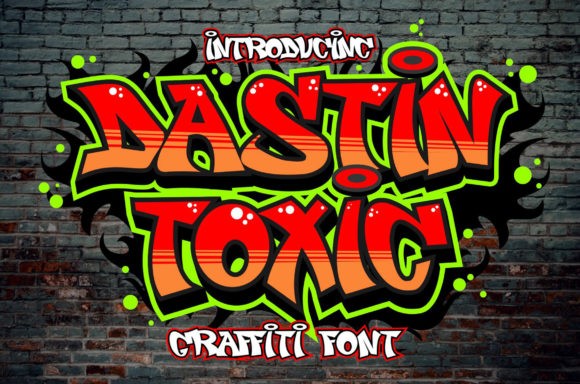
There's a particular kind of energy that jumps off the screen when you see a font that doesn't apologize for itself. Dastin Toxic is that kind of typeface—bold, unpolished in the best way, and dripping with the kind of raw confidence you'd find sprayed across a concrete wall in a city that actually has something to say. If you've been scrolling through endless collections of clean sans serifs and elegant scripts, this graffiti-styled display font might be exactly the jolt your next project needs.
What makes Dastin Toxic stand out isn't just its street art aesthetic. It's the way it manages to feel both rebellious and intentional at the same time. The letterforms carry that hand-sprayed quality—slightly uneven edges, a sense of movement, and the kind of imperfection that tells a human story. For designers and brand builders working in spaces like streetwear, fitness, music, action sports, or any industry where attitude matters, this typeface speaks a visual language that polished corporate fonts simply can't.
Where Street Art Meets Strategic Design
Let's be honest: not every project calls for a graffiti font. But when the fit is right, nothing else will do. Think about the brands that have built empires on attitude—skate companies, urban clothing lines, energy drink labels, independent record labels. Their visual identities succeed because every element, down to the typography, reinforces a feeling. Dastin Toxic does that heavy lifting naturally.
Consider a t-shirt brand targeting young adults who care about authenticity. Slapping a generic serif on the hang tag sends the wrong message entirely. But using a typeface that looks like it was born on the streets? That's alignment. The font becomes part of the brand story before anyone reads a single word of copy. It signals rebellion, creativity, and a refusal to blend in—exactly the emotional triggers that resonate with audiences who value self-expression.
The same principle applies to logo design. A logo built with Dastin Toxic doesn't need a lengthy explanation. Its visual character communicates immediately. For a bike messenger service, a music festival, a skate shop, or an underground art collective, the typeface does the work of establishing credibility within a specific culture. People who belong to that world recognize the aesthetic instantly, and that recognition is the foundation of effective branding.
Practical Applications That Actually Work
Beyond logos and apparel, this creative font finds its place across a surprisingly wide range of design projects. Here's where it tends to shine:
- Posters and event flyers – Concert posters, gallery openings, urban markets, and pop-up events benefit from typography that feels alive and immediate.
- Social media graphics – Instagram stories, YouTube thumbnails, and TikTok overlays need type that grabs attention in under a second. Display fonts with personality win that race every time.
- Packaging design – Craft beverage labels, hot sauce brands, snack packaging for younger demographics—any product that wants shelf presence with an edge.
- Digital products – Course creators and content entrepreneurs selling ebooks, presets, or templates in creative niches can use bold typography to establish a distinct visual brand.
- Merchandise – Hats, stickers, tote bags, phone cases. When you're printing on physical goods, a font with strong silhouettes reproduces well at various sizes and catches eyes from a distance.
- Website headers and hero sections – Used sparingly and strategically, a display typeface like Dastin Toxic can set the tone for an entire homepage without overwhelming the design.
The key word in all of these applications is strategic. A graffiti-styled font used everywhere at once becomes noise. Used intentionally—as a headline font, an accent, or a focal point—it becomes a powerful design asset that anchors the entire visual system.
Pairing, Readability, and Getting the Details Right
One of the most common mistakes with display fonts is assuming they'll handle every job. They won't, and they shouldn't. Dastin Toxic is built for impact, which means it works best at larger sizes where its character can breathe. Trying to set a full paragraph of body copy in a graffiti display font is a readability disaster waiting to happen. Instead, pair it with something cleaner for longer text—a simple sans serif or even a readable serif font for contrast.
Font pairing is where a lot of projects either come together or fall apart. The goal is contrast without conflict. If your headline uses a typeface with rough, hand-rendered edges and heavy weight, your supporting text should feel calm and structured. Think of it like a conversation: one voice is loud and expressive, the other is steady and informative. They need each other, but they shouldn't be competing for attention.
Before committing to any typeface for a client project or your own brand, test it in context. Set real headlines with real words—not just "Lorem ipsum." Check how specific letter combinations look. Pay attention to spacing and kerning at the sizes you'll actually use. Print a sample if the project involves physical materials. Screens and paper render type differently, and what looks sharp at 72 DPI on your monitor might feel muddy on a printed poster.
It's also worth reviewing what font styles and weights are included with your purchase. Some premium fonts come with alternates, ligatures, or multiple weights that give you more flexibility. Understanding what's in the package before you start designing prevents frustration later and helps you make the most of the asset you've invested in.
Licensing and the Business Side of Typography
This part isn't glamorous, but it matters. If you're using a font for commercial work—client logos, products for sale, marketing materials—you need to make sure your license covers that use. Most commercial font licenses distinguish between personal and commercial use, and some have specific restrictions around embedding in digital products or using the font in logos.
Read the license terms before you start building. It's a ten-minute task that can save you from legal headaches down the road. If you're a freelancer or agency, keep records of your font licenses organized by project. If you're a small business owner designing your own materials, confirm that the license you're purchasing matches how you plan to use the typeface. This isn't about paranoia—it's about professional practice.
Good typography is an investment in how your brand communicates. The right display font, used thoughtfully, can elevate a project from forgettable to distinctive. Dastin Toxic brings a specific energy that serves specific audiences exceptionally well. Know your audience, understand your project's goals, and let the typeface do what it does best—make people stop scrolling and pay attention.