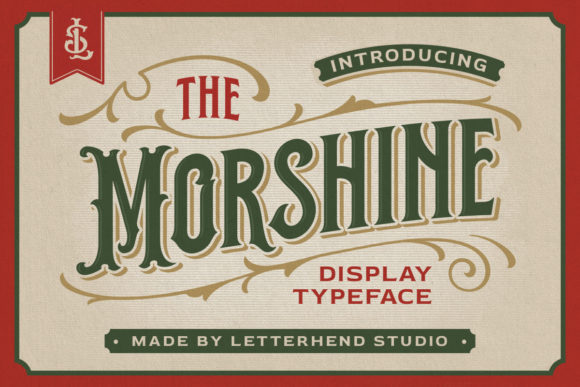
Morshine: The Retro Display Font with Modern Attitude
There's a reason vintage aesthetics keep making comebacks in design. They carry weight, personality, and an instant sense of trust that modern minimalism sometimes struggles to deliver. Morshine taps directly into that energy. It's a bold, thick-lettered retro display font that reads as strong, confident, and dynamic—and it can add tons of vintage character to your designs without feeling dated or stale.
Whether you're building a brand from scratch, refreshing your social media presence, or putting together packaging that needs to stop someone mid-scroll, the typeface you choose does more than spell out words. It sets a mood. It tells a story before anyone reads a single sentence. And that's exactly where Morshine shines.
What Makes a Display Font Like Morshine Stand Out
Not every font earns the label "display typeface." Display fonts are designed for impact—think headlines, logos, posters, and anywhere text needs to command attention rather than blend into a paragraph. Morshine fits squarely into this category with its thick strokes, confident weight, and retro-inspired letterforms that feel pulled from mid-century signage or vintage magazine covers.
What separates Morshine from other bold display fonts is its balance. Yes, it's thick and assertive, but it doesn't sacrifice legibility for style. The letter spacing, the curves, the way each character holds its own—these details matter when you're working on a logo that needs to look as sharp at 200 pixels wide as it does on a billboard. This kind of versatility is what makes a premium font worth the investment for serious creative work.
The retro personality here isn't just decoration. It communicates something specific: reliability, nostalgia, craftsmanship. If your brand or project leans into those values, Morshine becomes more than a design asset. It becomes a strategic choice.
Where Morshine Actually Works in Real Projects
Let's get practical. A font can look gorgeous in a specimen sheet and fall flat in the real world. Here's where Morshine holds up—and where it genuinely adds value.
Branding and Logo Design: If you're developing a brand identity for a craft brewery, a barbershop, a streetwear label, or a boutique coffee roaster, Morshine's retro character does a lot of the heavy lifting. It tells your audience what kind of experience to expect before they ever interact with your product. Pair it with a clean sans serif font for body copy, and you've got a visual system that feels both intentional and approachable.
Packaging Design: Shelf presence matters. Whether you're designing labels for small-batch hot sauce or artisan soap, a bold display font like Morshine can make your product pop among competitors. The thick letterforms hold up well at smaller sizes on packaging, which is something thinner or more ornate typefaces often struggle with.
Social Media Graphics: Instagram posts, Pinterest pins, YouTube thumbnails—these platforms are visual battlegrounds. Morshine's strong presence helps your text cut through the noise. It works particularly well for quote graphics, sale announcements, and promotional posts where you need the message to land instantly.
Posters and Event Materials: Music festivals, community markets, gallery openings, product launches. Any event that needs to feel exciting and well-produced benefits from typography with personality. Morshine delivers that vintage poster energy without requiring you to add much else to the design.
Websites and Blogs: Used sparingly for headlines and section titles, Morshine can give a website a distinct voice. It pairs beautifully with more neutral body fonts like a simple sans serif or a readable serif font, creating contrast that guides the eye and keeps readers engaged.
Merchandise and Print Products: T-shirts, tote bags, stickers, mugs—merchandise with strong typographic design sells better. Period. Morshine's bold construction means it reproduces cleanly across different printing methods, from screen printing to digital transfers.
Invitations and Editorial Layouts: Wedding invitations with a vintage theme, zine layouts, restaurant menus, lookbooks—these projects live and die by their typography. Morshine brings editorial design credibility without the stuffiness of traditional display serifs.
Matching Typography to Your Project Goals
Choosing a font isn't just about what looks cool. It's about alignment. Before you commit to Morshine—or any creative font—ask yourself a few questions.
What emotion should this design communicate? If the answer involves confidence, nostalgia, boldness, or craftsmanship, you're in the right territory. If your project needs to feel ultra-modern, clinical, or understated, a different typeface might serve you better.
Who is your audience? Morshine appeals to people who appreciate character and authenticity. It resonates with markets that value handmade quality, heritage, and personality over corporate polish. That's a wide range—from millennials shopping at farmers' markets to Gen Z discovering vinyl culture.
Where will this typeface appear most? If it's primarily headlines and logos, a display font like Morshine is perfect. If you need something for long-form body text, you'll want to explore pairing options with a more readable companion.
Getting Font Pairings Right
Morshine is a statement piece. Like any bold design element, it works best when it has room to breathe and when the supporting cast complements rather than competes.
A solid approach is pairing Morshine with a clean sans serif font for body text. Think of fonts like Montserrat, Open Sans, or Lato—typefaces that stay out of the way and let the display font do the talking. This creates a clear visual hierarchy: Morshine handles the big moments, and the sans serif handles the details.
For a more editorial or sophisticated feel, try pairing it with a classic serif font. The contrast between Morshine's thick, retro personality and the refined structure of a serif like Playfair Display or Lora can look incredibly polished in layouts for magazines, lookbooks, or upscale branding.
Script fonts and handwritten fonts can work alongside Morshine too, but tread carefully. You want contrast, not chaos. A loose, casual script used for accents or subheadings can add warmth without stepping on Morshine's toes. The key is to test combinations in context rather than relying on how they look in isolation.
Practical Tips for Working with Bold Display Fonts
Working with thick, bold typefaces comes with a few considerations that experienced designers know well.
Spacing matters more than you think. Bold fonts can feel cramped if your letter spacing and line height aren't adjusted. Give Morshine room to breathe, especially in headline applications. A little extra tracking can transform a tight, uncomfortable layout into one that feels powerful and open.
Size and context determine readability. At large sizes, Morshine is crisp and legible. At very small sizes—like fine print on packaging or dense footnotes—it may lose some clarity. Use it strategically for the moments that matter most, and rely on more legible typefaces for the small stuff.
Check what's included. A quality premium font often ships with multiple weights, stylistic alternates, ligatures, and extended language support. Before starting a project, review the full character set. You might discover alternates that give your design a slightly different feel—maybe a more playful "a" or a sharper "R" that fits your vision better.
Licensing is not optional. If you're using Morshine for commercial work—client projects, products for sale, marketing materials—make sure you have the appropriate commercial font license. This protects both you and your clients, and it's a professional standard worth taking seriously.
Why Visual Consistency Starts with Your Font Choice
One of the most overlooked aspects of building a recognizable brand is typographic consistency. When you use the same typeface across your website, social media, packaging, and print materials, you create a thread that ties everything together. People start to recognize your visual voice before they even read your name.
Morshine, with its distinctive retro personality, makes that consistency easier to maintain. It's memorable without being gimmicky. It has enough character to stand alone as a brand identifier, but it's versatile enough to work across different mediums and formats. That combination is harder to find than most people realize.
For small business owners and entrepreneurs building their own marketing assets, this matters even more. You're often wearing every hat—designer, copywriter, photographer, social media manager. Having a reliable, visually strong typeface in your toolkit reduces decision fatigue and keeps your output looking cohesive, even when you're creating on the fly.
Morshine isn't trying to be everything. It knows what it is: a bold, confident, retro-inspired display font with enough personality to elevate any project it touches. And sometimes, knowing exactly what you bring to the table is the most compelling thing a typeface can do.