Loved Bold: The Display Font That Demands Attention
There's a moment in every design project where you need typography that doesn't just sit quietly on the page—it needs to own the space. Maybe you're finalizing a logo for a new coffee roasting brand, laying out a poster for a local music festival, or designing the cover for your next digital product launch. You try a few fonts, and they look fine, but they don't have that punch. That's where Loved Bold enters the conversation. This isn't a font that whispers; it speaks with clarity and confidence, making it a genuinely useful tool for anyone who works with visual communication.
Understanding the Visual Character of Loved Bold
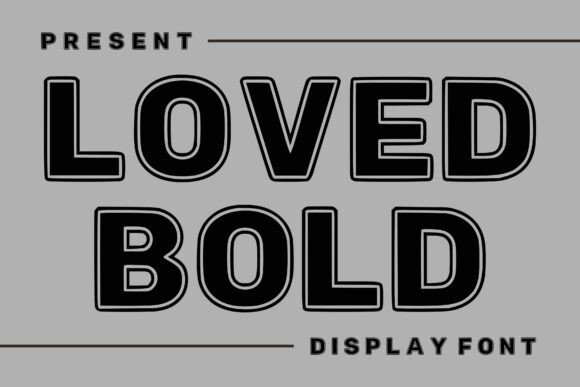
At its core, Loved Bold is a strong, expressive display typeface. The letterforms are thick and substantial, giving words immediate visual weight. What sets it apart, though, is the combination of those bold shapes with clean, precise outline accents. This detail adds a layer of sophistication and a slightly modern, retro-inspired feel. It avoids looking overly chunky or dated, landing in a versatile sweet spot that works for contemporary branding just as well as it does for projects with a vintage nod. Think of it as the typographic equivalent of a well-tailored jacket—it has structure and presence without being stiff.
This combination of boldness and clean detail is what makes it so effective for headlines and focal points. Your message isn't lost in a sea of visual noise; it's amplified. The font's personality is assertive but not aggressive, making it suitable for a wide range of brands that want to project confidence and approachability simultaneously.
Where Loved Bold Truly Shines: Practical Applications
Theory is one thing, but seeing how a font performs in real-world scenarios is what matters. Loved Bold's design makes it a natural fit for a variety of creative and commercial projects.
- Branding and Logo Design: A logo needs to be memorable and scalable. The bold, clear structure of Loved Bold creates a strong foundation for a wordmark or a primary logotype. It's particularly effective for brands in the food and beverage, lifestyle, fitness, or creative services industries where a bold personality is an asset. Paired with a simpler sans serif font for body copy, it establishes a clear visual hierarchy that strengthens brand recognition.
- Merchandise and Packaging: On a t-shirt, tote bag, or product label, you have mere seconds to make an impression. Loved Bold's thick letterforms ensure your text is readable from a distance, which is critical for merchandise and retail packaging. The slight retro vibe can add a layer of authenticity or nostalgia, depending on the color palette and accompanying graphics you choose.
- Marketing and Social Media Graphics: In the fast-scrolling environment of social media, stopping power is everything. Using Loved Bold for the headline of an Instagram post, a YouTube thumbnail, or a Facebook ad can instantly draw the eye. Its high-contrast style translates well to digital screens, ensuring your message cuts through the clutter. For marketing assets like email headers or promotional banners, it provides the visual impact needed to increase click-through rates.
- Posters and Editorial Layouts: Whether it's for an event, a sale, or a magazine feature, a poster lives or dies by its headline. Loved Bold is engineered for this exact purpose. It commands attention and sets the tone for the entire piece. In editorial design, it can be used sparingly for chapter titles or pull quotes to break up long blocks of text and add dynamic energy to a page layout.
Making It Work: Pairing and Practical Considerations
Choosing a great display font is only half the battle. Knowing how to use it effectively is what separates good design from great design. Here’s some practical advice for integrating Loved Bold into your work.
Font Pairing is Key. Because Loved Bold has such a strong personality, it works best when balanced with a more neutral companion font. For body text, a clean sans serif like Montserrat, Open Sans, or Lato provides excellent readability and lets the display font shine. If you're going for a more classic or editorial feel, a simple serif font like Lora or Merriweather can create a beautiful, balanced contrast. The goal is harmony, not competition.
Readability in Context. While Loved Bold is designed for clarity, display fonts are not meant for long paragraphs. Use it for short, impactful text: headlines, sub-headlines, calls-to-action, and single words or phrases. For anything longer than a sentence or two, switch to your chosen body font. Always test your designs at the intended viewing size—what looks great on your monitor might need adjustment for a printed poster or a mobile screen.
Check the Included Styles. A quality premium font often comes with more than just the basic letters. Look for what's included in your Loved Bold package. It might offer alternates, ligatures (special character combinations), or extended language support. These extras can give you more creative flexibility and help you craft a more unique and polished final product.
Understand the License. This is non-negotiable for commercial work. Before using Loved Bold in a client project, for merchandise you plan to sell, or in digital products, review the font's licensing agreement. A commercial license ensures you have the legal right to use the font in your specific application, protecting both you and your client. It's a standard part of the professional design process.
More Than Just a Font: A Tool for Visual Storytelling
Ultimately, Loved Bold is a tool, and like any good tool, its value is in how you use it. It's not about following a trend; it's about selecting a typeface that aligns with your project's goals and your audience's expectations. If your brand or project aims to communicate strength, creativity, and a touch of bold personality, this font family is worth serious consideration. It helps build a cohesive visual identity, enhances the professionalism of your presentation, and, most importantly, helps your message get seen and remembered. The next time your design needs that extra layer of confidence, you'll know exactly which typeface to reach for.