Gowes: The Graffiti Font That Brings Urban Energy to Your Brand
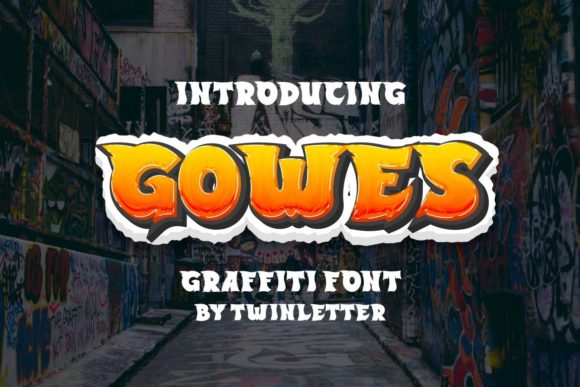
There’s a certain electricity that comes with street art—the bold strokes, the unapologetic attitude, the raw creativity that refuses to be ignored. Now imagine capturing that energy and channeling it directly into your design projects. That’s exactly what happens when you work with Gowes, a graffiti-themed display typeface that doesn’t just sit quietly on a page but makes a statement the moment it appears.
If you’ve ever found yourself scrolling through endless font libraries searching for something that feels alive, something that carries weight and personality without trying too hard, you know the frustration. Most display fonts either lean too heavily into novelty or feel sterile and disconnected from real creative culture. Gowes occupies a different space entirely. It draws from the visual language of graffiti—those forceful, dynamic letterforms that have decorated urban landscapes for decades—and translates that raw aesthetic into a usable, versatile design asset.
Understanding What Makes This Typeface Tick
What separates a forgettable font from one that actually works? It comes down to intention. Gowes was designed with speed and force in mind. The letterforms have a sense of motion baked into their structure, like they were created in a single fluid gesture. This isn’t a typeface that mimics the look of spray paint in a gimmicky way. Instead, it captures the essence of graffiti culture—the confidence, the rhythm, the visual impact—while remaining functional for professional design work.
The strokes are thick and commanding. The character shapes carry subtle irregularities that give the text an organic, hand-crafted quality without sacrificing legibility. This balance is harder to achieve than most people realize. Too much stylization and the font becomes decorative noise. Too little and it loses the very quality that makes it special. Gowes threads that needle effectively, making it a strong candidate for projects where you need visual punch without compromising clarity.
Where This Font Actually Shines in Real Projects
Let’s talk practical applications, because a font is only as valuable as the problems it solves for you. If you’re working on branding for a streetwear label, a skate shop, a music festival, or any brand that wants to project youthful energy and urban credibility, Gowes fits naturally into that visual ecosystem. It works exceptionally well for product logos where you want the name itself to feel like a piece of art rather than just typed-out text.
Packaging design is another area where this typeface earns its place. Think about standing in a store aisle. What makes you pick up a product? Often, it’s the typography that first catches your eye. A bold, graffiti-inspired font on a beverage label, a snack package, or a cosmetics box immediately signals something different—something that doesn’t conform to corporate blandness. That visual differentiation matters enormously in crowded markets.
Poster titles and event flyers are natural territory for a display font like this. Whether you’re promoting a concert, a gallery opening, a community event, or a product launch, the headline does most of the heavy lifting visually. Gowes brings the kind of energy that stops someone mid-scroll or mid-walk. It demands attention without screaming, which is a distinction worth appreciating.
Social media graphics deserve special mention here. Platforms like Instagram and TikTok are overwhelmingly visual, and the fonts you choose for your posts, stories, and thumbnails directly affect engagement rates. A distinctive typeface helps your content stand out in a feed full of generic templates. When your audience sees that consistent visual identity across multiple posts, brand recognition starts to build organically.
Pairing and Practicality: Making It Work With Your Other Design Assets
No font exists in isolation. The real skill in typography lies in pairing—choosing complementary typefaces that create hierarchy and visual harmony. Because Gowes is a display font with strong personality, it works best as a headline or accent typeface paired with something more restrained for body text. A clean sans serif font for paragraphs creates a natural contrast that lets the graffiti-inspired headlines pop while keeping longer passages readable.
This is where many designers and business owners stumble. They fall in love with a creative font and try to use it everywhere, including body copy where readability suffers. Resist that urge. Think of Gowes as the lead vocalist in a band. It needs a solid rhythm section—your body text fonts, your secondary typography—to support it. A serif font with classic proportions can also work beautifully alongside it, especially in editorial layouts where you want to mix contemporary energy with traditional structure.
When testing font pairings, set real content rather than placeholder text. Type out your actual headlines, your real product names, your genuine taglines. This reveals how the letterforms interact with the specific words you’ll be using. Some combinations look perfect with “Lorem ipsum” but fall apart when you write “Summer Collection 2024” or whatever your actual content happens to be.
Considering the Full Picture Before You Commit
Before incorporating any premium font into your workflow, a few practical considerations deserve your attention. First, review the full character set and any included font styles. Does it include the punctuation marks and special characters you need? Does it support multiple languages if your audience is international? These details matter more than most people expect until they hit a wall mid-project.
Commercial licensing is another area where due diligence pays off. If you’re using the font for client work, merchandise, or any commercial application, verify that the license covers your intended use. Most reputable font designers and foundries are transparent about licensing terms, and respecting those terms is both legally necessary and ethically important. The creative community depends on fair compensation for the work that goes into crafting quality typefaces.
Readability testing should happen early in your process, not as an afterthought. Print a headline at the size you plan to use it. View it on different screens. Ask someone unfamiliar with the project to read it at a glance. A display font that looks stunning at 72 points might lose definition at smaller sizes, and adjusting your approach accordingly is part of thoughtful design work.
Bringing It All Together
The fonts you choose communicate before a single word is read. They set tone, establish mood, and signal who you’re speaking to. Gowes offers a specific voice—one rooted in urban creativity, boldness, and visual confidence. For the right project, that voice is exactly what transforms competent design into something memorable. Whether you’re building a brand identity from scratch, refreshing your social media presence, designing merchandise, or creating marketing assets that need to cut through noise, having a typeface that carries genuine visual energy gives you a meaningful advantage.
The best design decisions happen when aesthetic appeal meets strategic thinking. You’re not just choosing a font because it looks cool. You’re choosing it because it aligns with your project goals, speaks to your intended audience, and strengthens the overall visual story you’re telling. That alignment is where real design impact lives, and it’s worth the time to get it right.