Arlo: When Every Letter Becomes a Statement Piece
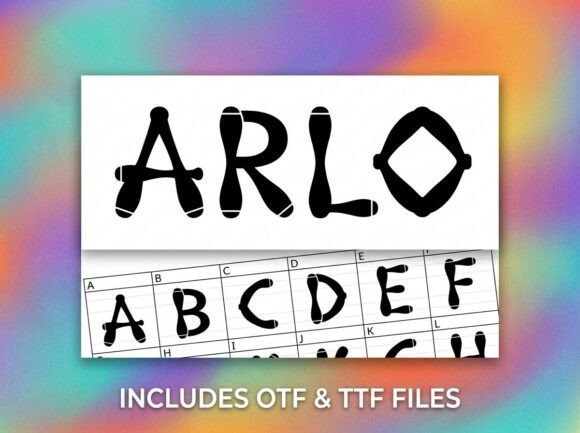
There are moments in design when you need a typeface that doesn't just sit quietly on the page but commands the room. Arlo is exactly that kind of font. It’s a decorative display typeface with a bold, artistic personality, crafted for projects where ordinary letterforms simply won’t do. Think of it as the typographic equivalent of a signature piece of jewelry—it’s not for everyday wear, but when you use it, it transforms the entire outfit. This is a font built for impact, designed to make headlines leap off the screen, logos feel instantly memorable, and packaging stand out on a crowded shelf.
What immediately draws you in is its unique character. Each letter feels like a deliberate work of art, with strong visual weight and intricate details that give it a modern yet timeless appeal. It’s not a minimalist sans serif or a traditional serif font; it’s a creative font with flair. This makes it a powerful tool for anyone looking to inject personality into their visual communication. The font comes in standard OTF and TTF files, ensuring compatibility whether you’re working in Adobe Illustrator, Canva, or Microsoft Word. But a crucial detail shapes how you’ll use it: Arlo is an all-caps typeface. This design choice is intentional. It means every single letter is designed to be a showstopper, optimized for maximum visual presence in situations where you want every character to contribute to a unified, powerful aesthetic.
Where Arlo Shines: From Branding to Bold Marketing
Understanding a font’s personality is the first step, but knowing where to apply it is where the real value lies. Because of its decorative nature, Arlo isn’t your go-to for body text in a lengthy report. Instead, its strength is in high-impact, short-form applications where visual consistency and brand recognition are paramount.
Logo Design & Brand Identity: This is Arlo’s natural habitat. A logo set in Arlo immediately conveys a sense of artistry, confidence, and distinctiveness. It’s perfect for creative entrepreneurs, boutique brands, artisanal products, or any business whose identity is built on being unique. Pair it with a clean, simple sans serif for body copy, and you have a dynamic font pairing that balances flair with function.
Packaging Design: On a shelf, you have seconds to capture attention. Arlo’s strong visual personality makes it ideal for product names, taglines, or key claims on packaging. Imagine it on a craft coffee bag, a luxury candle box, or a specialty food label—it instantly communicates quality and creativity, helping your product tell its story before it’s even picked up.
Social Media & Digital Graphics: In the fast-scrolling world of Instagram or Pinterest, a bold headline is your hook. Use Arlo for quote graphics, announcement posts, or promotional banners. Its all-caps design ensures legibility even at smaller sizes on mobile screens, while its artistic elements stop the scroll. It’s a fantastic way to maintain a visually consistent and recognizable feed that aligns with your brand’s aesthetic.
Practical Applications for the Creative Professional
Beyond logos and packaging, Arlo finds its place in a variety of creative projects. Its versatility as a premium font allows it to elevate different types of design assets.
- Editorial & Print Layouts: Use it for chapter titles in a book, feature article headlines in a magazine, or pull quotes that deserve emphasis. It adds a layer of sophistication and visual interest to editorial design.
- Poster & Event Design: For concerts, art exhibitions, or festival promotions, Arlo sets the tone immediately. Its display font nature ensures the event name or theme is unforgettable.
- Website Hero Sections: A striking headline on a homepage can define the user’s first impression. Using Arlo for a key tagline or value proposition can instantly communicate your brand’s creative edge.
- Merchandise & Invitations: From t-shirt graphics to wedding invitations, this typeface adds a bespoke, artistic touch. It’s perfect for projects where the text itself is a central design element.
The key to using such a distinctive font effectively is intentionality. It should be a deliberate choice that serves the project’s goal—whether that’s to stand out, convey luxury, or spark curiosity. Always consider readability in context. While it’s designed for headlines, testing it at the intended size and against its background is a non-negotiable step in your design process.
Making Arlo Work for You: A Designer’s Perspective
Adopting a new creative font like Arlo into your toolkit requires a bit of strategy to ensure it enhances rather than overwhelms your work. Here’s how to integrate it seamlessly.
Pairing with Purpose: The golden rule with a strong display typeface is to let it be the star. Pair it with neutral, highly readable fonts for supporting text. A simple sans serif or a clean serif font will provide a perfect counterbalance, ensuring your overall design remains professional and polished. Avoid pairing it with other ornate or script fonts, which can create visual clutter.
Context is King: Always align your font choice with the project’s audience and goals. Arlo would be perfect for a trendy boutique’s logo but might feel out of place for a corporate law firm’s annual report. It speaks a language of creativity, artistry, and modernity.
Leverage the All-Caps Design: Embrace this characteristic rather than seeing it as a limitation. All-caps text, when used sparingly for impact, can convey authority and unity. Use letter-spacing (tracking) generously to improve readability and give the letters room to breathe, which often enhances their decorative qualities.
Test, Test, Test: Before finalizing, view your design at multiple sizes and on different devices. What looks magnificent on a 27-inch monitor might lose detail on a smartphone screen. Ensure the artistic elements that make Arlo special remain clear and effective in your final application, whether it’s a tiny favicon or a large-scale banner.
In a digital landscape saturated with generic templates, a font like Arlo offers a way to inject genuine personality and craftsmanship into your visual projects. It’s more than just a set of characters; it’s a design asset that helps you build a stronger, more recognizable brand identity and create marketing assets that truly engage your audience. By using it thoughtfully and pairing it wisely, you can turn every headline, logo, and tagline into a memorable piece of visual communication.