Alden: The Bold Display Typeface for Headlines and Branding
There’s a moment in every design project where you realize the typeface you’ve been using just isn’t cutting it. The letters feel flat, the personality is missing, and the whole composition lacks that punch you were going for. That’s exactly where a font like Alden steps in—not as a quiet background player, but as the star of the show.
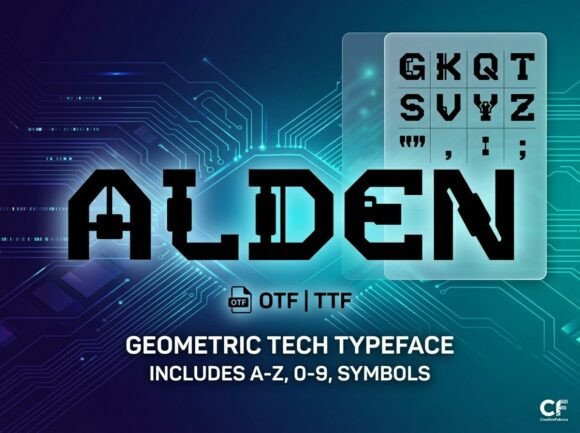
Alden is a decorative display typeface built for moments that demand attention. Think of it as the typographic equivalent of a confident entrance: bold, artistic, and impossible to ignore. Every letterform carries its own visual weight, with unique artistic flourishes that give it a strong, almost sculptural presence. This isn’t a font you’d use for body copy or lengthy paragraphs. Instead, it’s designed for high-impact applications—those projects where every letter needs to feel like a deliberate design choice.
When Every Letter Becomes a Design Element
What makes Alden stand out in a crowded field of display fonts? It’s the balance between artistic flair and professional polish. Many decorative typefaces sacrifice readability for style, but Alden manages to maintain a clean, structured finish while still feeling creative and expressive. The all-uppercase design means each letter is crafted to work as a standalone visual element, which is perfect for logos, monograms, and editorial initials.
Let’s talk about where this font actually shines in real projects:
- Logo Design: Alden’s strong personality makes it ideal for brands that want to project confidence and creativity. Think boutique agencies, artisan food brands, or lifestyle companies looking for a distinctive wordmark.
- Packaging: On shelf displays or e-commerce product pages, Alden can help packaging stand out from competitors using more generic typefaces.
- Social Media Graphics: For Instagram stories, Pinterest pins, or YouTube thumbnails, Alden grabs attention in fast-scrolling feeds.
- Poster and Editorial Design: Magazine covers, event posters, and book jackets benefit from its dramatic presence.
- Merchandise: T-shirts, tote bags, and stickers often call for bold, readable lettering that works at various sizes.
- Wedding Invitations and Event Stationery: For formal events with a modern twist, Alden adds sophistication without feeling stuffy.
Matching Typography to Project Goals
Choosing a font isn’t just about what looks pretty—it’s about what communicates the right message. Alden works best when you need to convey strength, creativity, or luxury. If your brand identity leans toward modern minimalism or playful whimsy, this might not be the right fit. But if you’re aiming for something bold, artistic, or slightly avant-garde, Alden could be exactly what your project needs.
One practical consideration: since Alden is an all-caps typeface, you’ll want to think carefully about how that affects readability and tone. All-caps text can feel authoritative and impactful, but it can also feel aggressive if overused. For best results, reserve Alden for headlines, logos, and short phrases rather than trying to force it into longer text blocks. Pair it with a clean sans-serif or serif font for body copy to create visual hierarchy and keep your designs balanced.
Practical Tips for Working with Display Fonts
If you’re new to using decorative display typefaces, here are a few things worth keeping in mind:
- Test font pairings early. Before committing to Alden for a client project or your own brand, mock up a few combinations with potential body fonts. See how they interact at different sizes and in different contexts.
- Consider licensing. Alden comes with both OTF and TTF files, which covers most design software and platforms. Make sure you understand the commercial licensing terms if you’re using it for client work or products you plan to sell.
- Think about scale. Display fonts like Alden often look best at larger sizes where their details can really breathe. Test it at the actual size you’ll be using—what looks stunning in a design tool might feel cramped on a business card.
- Don’t forget about spacing. Letter spacing and line height can make or break a display typeface. Experiment with tracking and leading to find the sweet spot for your specific application.
Beyond the Basics: Creative Applications
While Alden is marketed for headlines and logos, creative professionals often find unexpected uses for bold display fonts. Some designers use them for digital product covers—think ebook designs, online course graphics, or podcast artwork. Others incorporate them into website hero sections for that immediate visual impact. Marketing teams might use Alden for email headers, ad banners, or presentation title slides where they need to make a strong first impression.
The key is to think of Alden not as a replacement for your everyday workhorse fonts, but as a specialized tool for specific moments. When you need typography that does more than just convey information—when you want it to evoke a feeling, establish a mood, or create a memorable visual identity—that’s when a font like Alden earns its place in your design toolkit.
Ultimately, the best typeface for any project is the one that serves the story you’re trying to tell. For designers and creators who want their typography to feel intentional, artistic, and unmistakably bold, Alden offers a compelling option worth exploring.